english
Song generated By ✨LyricsintoSong.com
v1
@ evie
2026-06-10 19:18:39
Lyrics
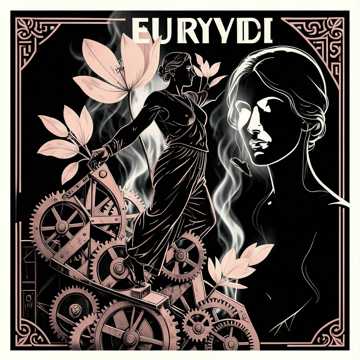
Eurydice + Helen: Emerging from the post-WW1 industrialisation epoch, H.D excoriates female dependence as a product of the phallocentric narrative. Through an ekphrastic, Modernist reimagination of conventional Greek male-centred mythologies in her poems, ‘Eurydice’ and ‘Helen’, H.D reframes the silenced female psyche into a catalyst of agency through expounding the oppressed but resilient female subjectivity.
Through derailing male secular hagiography entrenched in Greek myth through exemplifying male cruelty, H.D exposes the arrogance underpinning patriarchal notions of male heroism by vilifying male disruption of female peace. In “and your ruthlessness, I am swept back”, Eurydice’s pejorative diction dismantles Orpheus from his historical pedestal as a tragic, mourning husband, stripping away the sentimental rhetoric of classic mythologies, and revealing his cruel, selfish nature. Hence, H.D extols female perseverance in the face of patriarchal mutilation of female agency.
H.D lambastes the perpetuation of female passivity within the patriarchal myth by subverting traditional male collectivity, in turn highlighting Eurydice’s subjective experience and transformation from an erotic object into an infallible symbol of female resilience. As such, H.D presents readers with an in-depth, autonomous interiority of the titular character, who replaces Orpheus’ on the historical pedestal, recasting traditional ‘heroes’ into peripheral figures. The emphatic “I have more fervour than you in all the splendour of that place”, where the juxtaposition of ‘black’ and metaphorical ‘light’ subverts traditional Manichean ideology by framing darkness as active intellectual illumination, signifies triumphant self-discovery away from the definitive male gaze. This reclamation of self-determination is further accentuated in the symbolic “I have the fervour of myself”, where recurring botanical motif ‘flowers’ extol Eurydice’s flourishing vitality and ‘no god’ creates an empowering declaration of irremovable identity. Through constructing individual female identity that surpasses the control of divine deities when isolated from the oppressive patriarchal shadow through displacing Orpheus from the narrative centre, H.D defies the patriarchal myth and exemplifies the self-determined female voice.
To further criticise how double-faced patriarchal ideologies that objectify Helen as both a site of blame and desire, H.D deconstructs the perfidy of collective male judgement, by positioning Helen as an unwilling victim to systemic gendered scapegoating. The metonymous “All Greece hates”, that … society’s collective hatred, where synecdoche in “white face…white hands…smiles” posits male disassemblage of her uncanny beauty, limiting the female identity to aesthetic pleasure. The deliberate male effort to dim female identity is further reiterated in the double entendre ‘laid’, where H.D exposes the perverted phallocentric sexualisation of female passivity and perceived male
Through derailing male secular hagiography entrenched in Greek myth through exemplifying male cruelty, H.D exposes the arrogance underpinning patriarchal notions of male heroism by vilifying male disruption of female peace. In “and your ruthlessness, I am swept back”, Eurydice’s pejorative diction dismantles Orpheus from his historical pedestal as a tragic, mourning husband, stripping away the sentimental rhetoric of classic mythologies, and revealing his cruel, selfish nature. Hence, H.D extols female perseverance in the face of patriarchal mutilation of female agency.
H.D lambastes the perpetuation of female passivity within the patriarchal myth by subverting traditional male collectivity, in turn highlighting Eurydice’s subjective experience and transformation from an erotic object into an infallible symbol of female resilience. As such, H.D presents readers with an in-depth, autonomous interiority of the titular character, who replaces Orpheus’ on the historical pedestal, recasting traditional ‘heroes’ into peripheral figures. The emphatic “I have more fervour than you in all the splendour of that place”, where the juxtaposition of ‘black’ and metaphorical ‘light’ subverts traditional Manichean ideology by framing darkness as active intellectual illumination, signifies triumphant self-discovery away from the definitive male gaze. This reclamation of self-determination is further accentuated in the symbolic “I have the fervour of myself”, where recurring botanical motif ‘flowers’ extol Eurydice’s flourishing vitality and ‘no god’ creates an empowering declaration of irremovable identity. Through constructing individual female identity that surpasses the control of divine deities when isolated from the oppressive patriarchal shadow through displacing Orpheus from the narrative centre, H.D defies the patriarchal myth and exemplifies the self-determined female voice.
To further criticise how double-faced patriarchal ideologies that objectify Helen as both a site of blame and desire, H.D deconstructs the perfidy of collective male judgement, by positioning Helen as an unwilling victim to systemic gendered scapegoating. The metonymous “All Greece hates”, that … society’s collective hatred, where synecdoche in “white face…white hands…smiles” posits male disassemblage of her uncanny beauty, limiting the female identity to aesthetic pleasure. The deliberate male effort to dim female identity is further reiterated in the double entendre ‘laid’, where H.D exposes the perverted phallocentric sexualisation of female passivity and perceived male
Style of Music
catchy